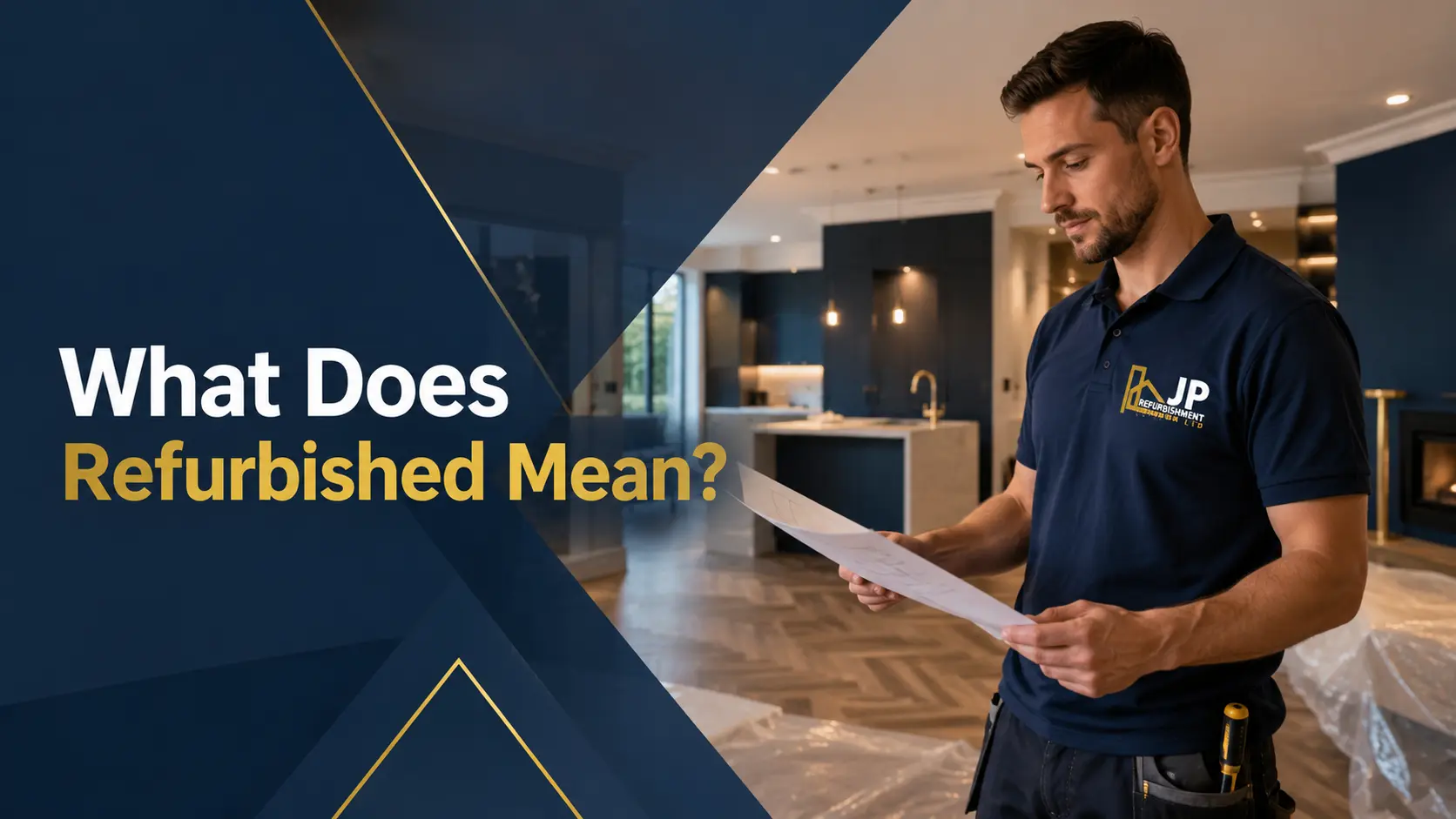
“Refurbished” refers to a previously owned or returned product that has been professionally inspected, cleaned, repaired, and tested to restore it to a “like-new” working condition.
What Does the Word “Refurbished” Mean?
The word “refurbished” comes from the combination of two ideas: “re” (again) and “furbish” (to clean, polish, or restore). The term ‘furbish’ itself has older roots in Middle English, originally meaning to polish or make something look new again. So, “refurbished” literally means made new again or restored to a better condition.
Today, the word is widely used in real estate, construction, retail, and technology, but the core meaning stays the same: to improve, repair, or upgrade something that is old or used without completely rebuilding it from scratch.
What Does Refurbished Mean in Property?
In property, ‘refurbishment’ refers to improving an existing building to make it more modern, functional, and comfortable while still keeping the structure intact.
Unlike full reconstruction or redevelopment, refurbishment focuses on upgrading what already exists rather than demolishing it completely.
Typical refurbishment work includes the following:
- Kitchen renovations
- Bathroom renovations
- House extensions
- Loft conversions
- Painting and decorating
- Flooring replacement
- Plumbing upgrades
- Electrical improvements
- Roofing repairs
- Structural alterations
- Landscaping improvements
- Complete home renovations
Where Is the Term “Refurbished” Used?
The term is commonly used in different industries, each with a slightly different meaning:
Property and Construction
In real estate, “refurbished” describes homes or buildings that modernise and improve them without major structural rebuilding. For example:
A refurbished house may have a new kitchen, updated bathroom, and fresh flooring.
Retail and Electronics
In tech and retail, “refurbished” refers to used items that have been repaired, tested, and restored to working condition before being sold again.
Commercial Spaces
Offices, shops, and hotels are often refurbished to match modern standards and attract customers or tenants.
What Is the Difference Between Refurbishment, Renovation, and Remodelling?
Many homeowners use these terms interchangeably, but they have slightly different meanings.
| Term | Meaning |
|---|---|
| Refurbishment | Improving, repairing, or modernising an existing property |
| Renovation | Restoring a property to a good condition, often replacing worn or outdated elements |
| Remodeling | Changing the layout, structure, or use of a space |
For example:
- Replacing kitchen units = refurbishment
- Updating an outdated bathroom = renovation
- Knocking down walls to create an open-plan kitchen = remodeling
Most home improvement projects involve a combination of all three.
Why Do Homeowners Refurbish Their Properties?
There are many reasons homeowners choose refurbishment instead of moving.
Increase Property Value
One of the biggest reasons for refurbishment is to increase a property’s market value.
High-value improvements include:
- Kitchen renovations
- Bathroom upgrades
- Loft conversions
- House extensions
- Full property refurbishments
A well-executed refurbishment can significantly improve resale value.
Create More Living Space
Growing families often need more room.
Rather than moving, homeowners can create additional space through:
- Loft conversions
- Rear extensions
- Side return extensions
- Basement conversions
- Internal reconfiguration
This allows families to remain in their preferred location while gaining the space they need.
Modernise an Outdated Property
Older properties can become inefficient and outdated.
Refurbishment helps update:
- Kitchens
- Bathrooms
- Electrical systems
- Plumbing systems
- Flooring
- Lighting
- Heating systems
This improves comfort and functionality while giving the home a fresh, modern appearance.
Improve Energy Efficiency
Many older homes lose heat and consume more energy than necessary.
Refurbishment can improve efficiency through:
- Better insulation
- Double or triple glazing
- Modern heating systems
- Energy-efficient lighting
- Improved ventilation
These upgrades can reduce energy bills and improve year-round comfort.
Fix Wear and Tear
Over time, homes naturally deteriorate.
Common refurbishment works include:
- Replacing damaged flooring
- Repairing roofs
- Repainting walls
- Updating kitchens
- Repairing bathrooms
- Replacing outdated fixtures and fittings
These improvements restore the property’s appearance and functionality.
Types of Property Refurbishment
Cosmetic Refurbishment
Cosmetic refurbishment focuses on appearance rather than structural changes.
Examples include:
- Painting and decorating
- New flooring
- New doors
- Lighting upgrades
- New fixtures and fittings
This is usually the quickest and most affordable type of refurbishment.
Partial Refurbishment
Partial refurbishment focuses on specific areas of a property.
Examples include:
- Kitchen refurbishment
- Bathroom refurbishment
- Bedroom upgrades
- Living room renovation
This approach allows homeowners to improve key spaces without renovating the entire property.
Full Property Refurbishment
A full refurbishment transforms the entire property.
This may include:
- Structural alterations
- Complete rewiring
- New plumbing
- New kitchen
- New bathrooms
- New flooring
- Decorating throughout
Full refurbishments are common in older London properties requiring comprehensive modernisation.
What Is Included in a Home Refurbishment?
The scope depends on the project’s goals, but common services include:
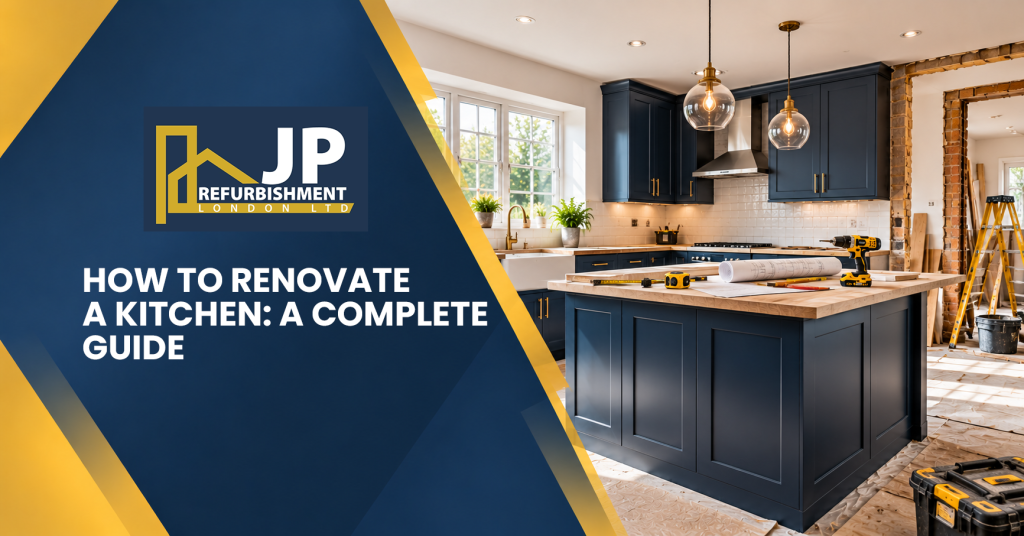
Kitchen Refurbishment
Kitchen upgrades may involve:
- New kitchen units
- Worktops
- Appliances
- Flooring
- Lighting
- Plumbing improvements
A modern kitchen is often one of the best investments for adding value.
Bathroom Refurbishment
Bathroom improvements often include:
- New showers
- Baths
- Toilets
- Tiling
- Waterproofing
- Storage solutions
A well-designed bathroom improves both comfort and property appeal.
Loft Conversion
A loft conversion turns unused roof space into functional living space.
Popular uses include:
- Bedrooms
- Home offices
- Guest rooms
- En-suite bathrooms
Loft conversions are one of the most valuable refurbishment projects in the UK.
House Extension
Extensions allow homeowners to increase floor space without moving.
Common options include:
- Rear extensions
- Side return extensions
- Wraparound extensions
- Double-storey extensions
These projects can dramatically improve the functionality of a property.
Painting and Decorating
Fresh decoration instantly improves the appearance of a home.
This can include:
- Interior painting
- Exterior painting
- Wallpaper installation
- Woodwork finishing
Flooring Installation
Popular flooring choices include:
- Engineered wood
- Hardwood
- Luxury vinyl tile (LVT)
- Laminate
- Porcelain tiles
New flooring enhances both aesthetics and durability.
Plumbing and Electrical Upgrades
Modern services often include:
- Rewiring
- Consumer unit upgrades
- New lighting
- New plumbing systems
- Underfloor heating
These improvements ensure safety and reliability.
How Much Does Property Refurbishment Cost?
Refurbishment costs vary depending on:
- Property size
- Location
- Scope of work
- Materials chosen
- Structural changes required
Typical refurbishment projects can range from a few thousand pounds for cosmetic improvements to significantly more for complete property transformations.
The best way to determine costs is through a professional survey and detailed quotation.
Is Refurbishment Worth It?
For most homeowners, the answer is yes.
Benefits include:
- ✓ Increased property value
- ✓ Improved comfort
- ✓ Better energy efficiency
- ✓ More living space
- ✓ Modern appearance
- ✓ Reduced maintenance costs
- ✓ Enhanced functionality
Many homeowners find refurbishment more affordable and less disruptive than moving house.
Signs Your Property May Need Refurbishment
You may benefit from refurbishment if:
- Your kitchen looks outdated
- Your bathroom no longer meets your needs
- You need more space
- Energy bills are increasing
- The property feels tired or worn
- Fixtures and fittings are ageing
- You plan to sell and want to increase value
Addressing these issues early can prevent larger and more expensive problems later.
Why Choose Professional Refurbishment Services?
Professional refurbishment companies provide:
- Project planning
- Design advice
- Building regulation compliance
- Qualified tradespeople
- Quality workmanship
- Project management
This helps ensure the project is completed safely, efficiently, and to a high standard.
Final Words
Refurbishment means improving, modernising, or restoring a property to enhance its appearance, functionality, comfort, and value. Whether you’re updating a bathroom, renovating a kitchen, converting a loft, extending your home, or carrying out a complete property transformation, refurbishment can help you make the most of your existing property.
At JP Refurbishment London, we provide comprehensive refurbishment services across London, including house extensions, loft conversions, kitchen renovations, bathroom renovations, painting and decorating, landscaping, and complete property refurbishments.
If you’re considering upgrading your home, our experienced team can help turn your ideas into reality with professional workmanship and expert project management.
Contact JP Refurbishment London today for a free consultation and no-obligation quote.