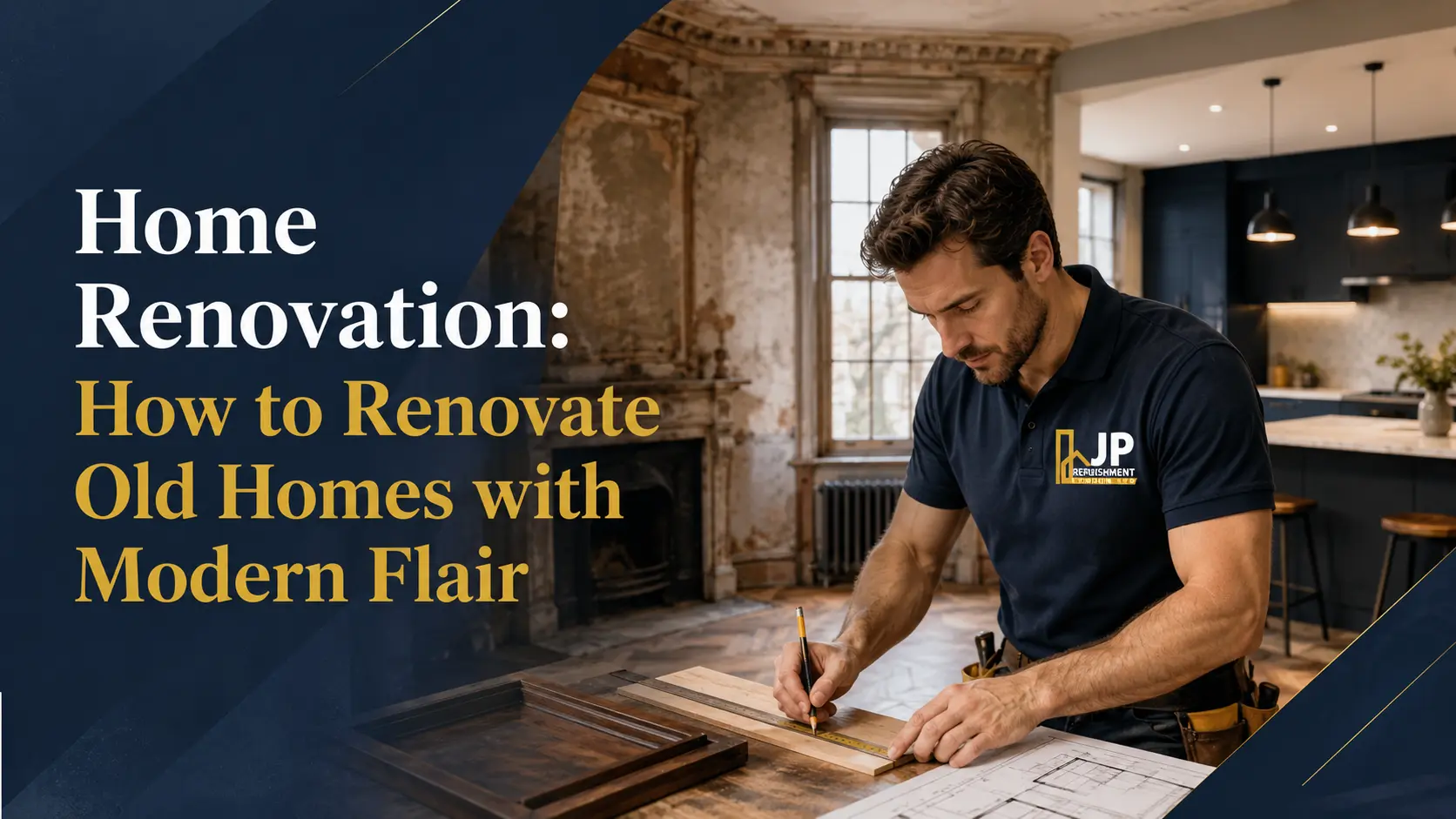
Older homes often have unique character, period features, and solid construction, but they can also feel outdated and lack the functionality modern families need. The key to a successful renovation is finding the right balance between preserving original charm and introducing modern design, comfort, and efficiency.
How to Renovate Old Homes
To renovate an old home with modern flair, retain its best original features while upgrading layouts, lighting, kitchens, bathrooms, insulation, and finishes. Focus on blending traditional character with contemporary materials, colours, and functionality rather than completely removing the property’s original identity.
Start by Assessing the Property’s Condition
Every successful renovation begins with a thorough assessment of the property’s current condition. Identifying hidden problems early helps prevent costly surprises later and ensures that any design improvements are built on a safe and stable structure.
Before making design decisions, understand the property’s current condition.
Check for:
- Structural issues
- Damp and moisture problems
- Roof defects
- Old plumbing
- Outdated electrics
- Poor insulation
Addressing these issues first creates a solid foundation for the renovation.
Preserve Original Features Where Possible
One of the biggest advantages of renovating an older home is the unique character it offers. Preserving original features allows you to maintain the property’s charm while blending it with modern design elements for a balanced and attractive finish.
Many older homes contain features that add character and value.
Consider restoring:
- Original fireplaces
- Ceiling cornices
- Timber flooring
- Sash windows
- Exposed brickwork
- Traditional staircases
These elements can become focal points within a modern interior.
Create a More Functional Layout
Older properties were often designed for different lifestyles and may not suit modern living needs. Updating the layout can improve comfort, maximise space, and create a more practical environment for everyday life.
Older homes often have smaller rooms and less practical layouts.
Modern renovations frequently include:
- Open-plan kitchen-dining areas
- Larger family living spaces
- Better room flow
- Improved storage solutions
Removing non-structural walls or reconfiguring rooms can make the home feel brighter and more spacious.
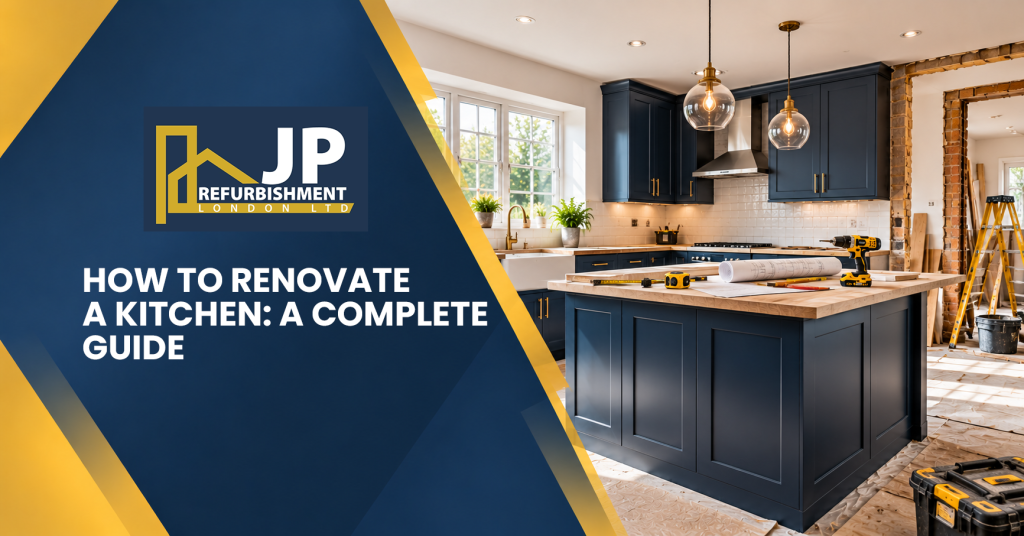
Modernise the Kitchen
A well-designed kitchen can transform the entire home. Modern kitchen upgrades improve functionality, increase property value, and create a stylish space where family and friends naturally gather.
The kitchen is often the heart of the home and one of the most impactful areas to renovate.
Popular upgrades include:
- Handleless cabinetry
- Quartz worktops
- Kitchen islands
- Integrated appliances
- Modern lighting
- Smart storage solutions
A contemporary kitchen can complement an older property without removing its character.
Upgrade Bathrooms
A modern bathroom enhances both comfort and practicality. Even simple improvements can make the space feel cleaner, brighter, and more luxurious while improving the overall appeal of the property.
Outdated bathrooms can make an entire property feel old.
Consider:
- Walk-in showers
- Floating vanities
- Large-format tiles
- Modern fittings
- Underfloor heating
- Built-in storage
Simple updates can create a more luxurious and practical space.
Improve Natural Light
Natural light plays a major role in how a home feels. Bright and airy interiors create a welcoming atmosphere and can make older properties appear larger and more modern.
Many older homes suffer from dark interiors.
Ways to increase natural light include:
- Rooflights
- Larger windows
- Glass doors
- Light colour schemes
- Open-plan layouts
Brighter spaces instantly feel more modern and welcoming.
Choose a Balanced Colour Palette
The right colour scheme helps connect traditional architecture with contemporary design. Neutral and earthy shades create a fresh appearance while allowing original features to remain the centre of attention.
Modern interiors often use neutral colours that work well alongside traditional features.
Popular choices include:
- Warm white
- Beige
- Greige
- Soft grey
- Sage green
- Earthy tones
These colours create a timeless look while allowing original details to stand out.
Update Flooring
Flooring has a significant impact on the overall appearance of a home. Replacing outdated or damaged flooring can instantly refresh a room and improve durability for everyday use.
Replacing worn flooring can dramatically improve the appearance of a property.
Popular options include:
- Engineered wood flooring
- Luxury vinyl tile (LVT)
- Porcelain tiles
- Herringbone flooring
Choose materials that complement both the age and style of the property.
Incorporate Modern Lighting
Lighting influences both the functionality and atmosphere of a home. A carefully planned lighting scheme can highlight architectural features while creating a warm and inviting environment.
Lighting is one of the easiest ways to modernise an older home.
Consider combining:
- Recessed spotlights
- Pendant lighting
- Wall lights
- LED strip lighting
- Feature lighting
Layered lighting creates warmth and highlights architectural features.
Improve Energy Efficiency
Improving energy efficiency is one of the smartest investments during a renovation project. Modern upgrades can reduce energy bills, increase comfort, and help future-proof the property.
Many period properties lose heat and have higher energy costs.
Modern upgrades may include:
- Loft insulation
- Wall insulation
- Double glazing
- Energy-efficient boilers
- Smart heating controls
These improvements can make the home more comfortable while reducing running costs.
Add Contemporary Finishes
Small design details can make a big difference in the final appearance of a renovation. Contemporary finishes help create a fresh look while still respecting the home’s original character.
Modern details can help refresh an older property without removing its character.
Examples include:
- Black-framed doors
- Minimalist ironmongery
- Contemporary glazing
- Modern radiators
- Clean-lined furniture
Small updates can have a significant impact on the overall look.
Don’t Forget Outdoor Spaces
A successful renovation extends beyond the interior. Enhancing outdoor areas improves kerb appeal, increases usable living space, and creates a strong first impression.
The exterior should complement the renovated interior.
Consider:
- New paving
- Landscaping
- Outdoor lighting
- Garden seating areas
- Modern fencing
Improving kerb appeal helps complete the transformation.
Common Mistakes to Avoid
Avoiding common renovation mistakes can save both time and money. A well-planned approach ensures that the property retains its character while meeting modern living standards.
When renovating an older home, avoid:
- Removing all original features
- Ignoring structural issues
- Choosing style over practicality
- Using materials that clash with the property’s character
- Underestimating renovation costs
- Neglecting insulation and energy efficiency
A thoughtful approach usually delivers the best results.
Final Words
Renovating an old home with modern flair is about combining the best of both worlds. By preserving original character while upgrading layouts, finishes, lighting, kitchens, bathrooms, and energy efficiency, you can create a home that feels both timeless and contemporary.
Whether you’re updating a Victorian terrace, Edwardian property, or period family home, careful planning and quality workmanship can transform an outdated house into a stylish and functional modern living space.