

Remodelling your house is an opportunity to improve how your home looks, feels and functions without necessarily moving to a new property. Whether you want to create more living space, modernise outdated interiors or improve the layout, the right improvements can make your home more comfortable and practical. The best approach is to identify what is not working, decide which changes will make the biggest difference and plan the work around your property, lifestyle and budget.
From opening up living areas and upgrading kitchens to converting unused spaces and improving energy efficiency, there are several ways to remodel your house. Here are seven practical ideas to help you make better use of your existing home.
What Are 7 Smart Ways to Remodel Your House?
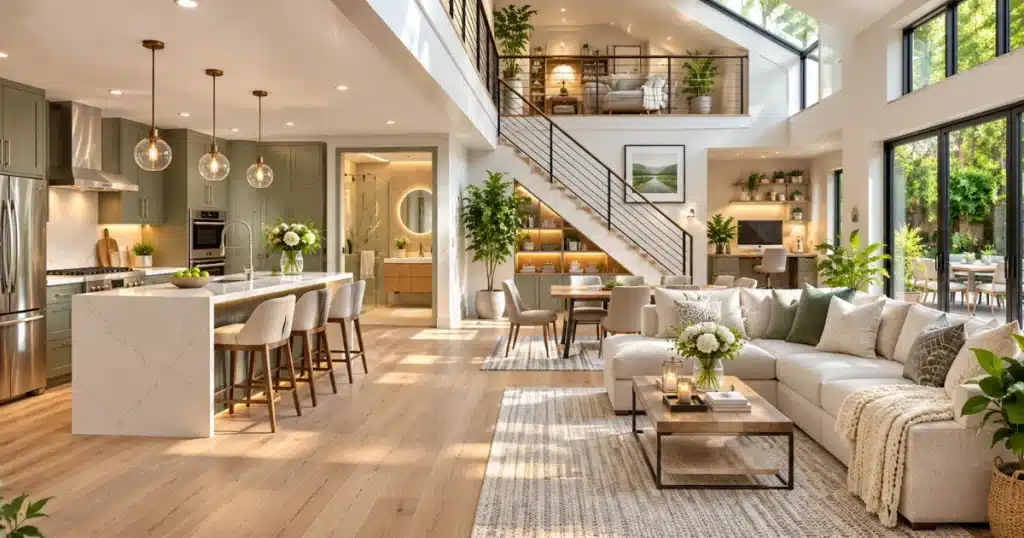
If you want to remodel your house and make it more comfortable, functional and attractive, here are seven practical ideas to consider:
- Create an Open-Plan Living Space: Connect your kitchen, dining and living areas to create a more spacious and sociable environment.
- Modernise Your Kitchen: Upgrade cabinets, worktops, appliances, lighting and storage to improve everyday functionality.
- Transform Your Bathroom: Replace outdated fittings, improve the layout and introduce modern showers, storage and finishes.
- Make Better Use of Unused Space: Convert your loft, basement or spare room into a practical bedroom, office or additional living area.
- Bring in More Natural Light: Consider larger windows, rooflights, glazed doors or improved room connections.
- Upgrade Flooring and Interior Finishes: Refresh your floors, walls, doors and lighting to give your home a more consistent appearance.
- Improve Energy Efficiency and Comfort: Upgrade insulation, heating controls, draught-proofing and ventilation to create a more comfortable home.
The best remodelling ideas depend on your property’s condition, available space, budget and lifestyle. Prioritise improvements that solve existing problems while making your home more practical for the future.
- Create an Open-Plan Living Space
One of the most effective ways to remodel your house is to create a more open connection between the kitchen, dining area and living room. Many older properties have separate rooms that restrict natural light and make everyday movement less convenient.
Removing or altering a dividing wall can create a more connected living environment, particularly in homes where the kitchen feels isolated or the existing layout does not suit modern family life.
What can you change?
- Remove an internal wall: Opening the kitchen into the dining or living room can create a larger shared space. A structural assessment is essential before removing any wall that may support the building.
- Combine the kitchen and dining area: A breakfast bar, kitchen island or dining table can provide a practical connection between cooking and eating areas.
- Improve the flow between rooms: Wider openings, internal glazed partitions and better-positioned doorways can make movement easier without removing every dividing wall.
- Use consistent interior finishes: Coordinating flooring, colours and lighting can help separate functional areas feel like one cohesive space.
When is this a good idea?
An open-plan layout may suit homeowners who regularly entertain guests, spend time together as a family or want to improve the connection between their kitchen and living areas.
However, removing walls is not always the best solution. Separate rooms can provide privacy, reduce cooking smells and help control noise. Consider how you use your home before deciding how much separation to remove.
- Modernise Your Kitchen for Better Functionality
The kitchen is one of the most frequently used areas of a home, so remodelling it can make a significant difference to everyday living. An outdated kitchen may have insufficient storage, poorly positioned appliances, limited worktop space or an inefficient layout.
A kitchen remodel should improve functionality as well as appearance. Instead of simply replacing cabinet doors and worktops, consider whether the existing arrangement makes cooking, cleaning and storage convenient.
Smart kitchen remodelling ideas include:
- Replace outdated kitchen units: Modern cabinets can improve storage capacity and give the room a cleaner, more organised appearance.
- Install pull-out storage: Drawer organisers, corner units and pull-out shelves help make difficult-to-reach spaces more accessible.
- Improve the worktop layout: Provide sufficient preparation space around frequently used appliances and cooking areas.
- Upgrade lighting: Combine general ceiling lighting with task lighting beneath wall cabinets to make food preparation easier.
- Choose suitable appliances: Integrated or compact appliances can help maximise space in smaller kitchens.
Should you remodel or completely replace your kitchen?
If the existing kitchen layout works well and the cabinets are in good condition, replacing selected finishes, handles, worktops and lighting may be sufficient.
However, if the layout is inefficient, storage is inadequate or plumbing and electrical services need updating, a more extensive kitchen renovation may provide a better long-term solution.
- Transform Your Bathroom into a More Practical Space
A bathroom remodel can improve comfort, accessibility, storage and the overall appearance of your home. Older bathrooms may have outdated fittings, poor ventilation, limited lighting or layouts that waste valuable floor space.
The objective should be to create a bathroom that is easy to maintain and suitable for your household’s daily needs.
Consider these improvements:
- Replace outdated sanitaryware: Modern toilets, basins, baths and showers can improve the appearance and usability of the room.
- Install a walk-in shower: Where the layout allows, a walk-in shower can create a more open appearance and improve accessibility.
- Improve bathroom storage: Vanity units, mirrored cabinets and recessed shelving can reduce clutter without occupying unnecessary floor space.
- Upgrade ventilation: Effective extraction helps control moisture and reduce the risk of condensation and mould.
- Improve lighting: Combine suitable general lighting with well-positioned mirror lighting for everyday use.
What should you consider before remodelling?
Check the condition of existing plumbing, drainage, waterproofing and ventilation before choosing new fittings. Changing the position of a toilet, shower or bath may require additional plumbing and drainage work.
A carefully planned bathroom renovation should consider the entire room rather than treating individual fittings as separate upgrades.
- Make Better Use of Unused Space
Many homes have areas that are underused but could provide valuable additional living or storage space. Before considering a larger property or major extension, look at whether existing areas can be adapted to meet your needs.
This can be particularly useful in London homes, where available space may be limited and moving to a larger property can be a significant commitment.
Which unused spaces can you remodel?
- Convert your loft: A suitable loft conversion can create an additional bedroom, home office or study without extending the property’s footprint. Headroom, roof structure, access and fire safety need careful consideration.
- Transform an unused spare room: An occasional guest room could become a dedicated workspace, children’s playroom or hobby room.
- Improve under-stair space: Built-in cupboards, shelving or a compact storage area can make better use of otherwise wasted space.
- Reorganise storage areas: Utility rooms, cupboards and awkward corners can often be redesigned to provide more practical storage.
- Consider a basement conversion: Where the property has a suitable basement, converting it into usable accommodation may provide additional living space. Waterproofing, ventilation, structural condition and escape arrangements are important considerations.
Is converting existing space better than extending?
It depends on the property and the space available. A loft or basement conversion may provide additional accommodation without using garden space, while a house extension may be more suitable if you need a larger kitchen, dining area or ground-floor living space.
Compare the available options based on structural feasibility, cost, permissions and how the finished space will be used.
- Bring More Natural Light into Your Home
Poor lighting can make rooms feel smaller, darker and less inviting. Improving natural light is therefore an important part of remodelling, particularly in older houses with smaller windows, enclosed layouts or rooms that receive limited daylight.
You do not always need major structural changes to make a noticeable difference.
Ways to improve natural light include:
- Install larger windows: Where suitable and permitted, larger windows can increase daylight and improve views of the outside.
- Consider rooflights: Rooflights or skylights can bring daylight into kitchens, loft rooms and other areas where traditional windows may not be practical.
- Use internal glazing: Glazed partitions and doors can allow light to travel between rooms while maintaining some separation.
- Choose lighter interior finishes: Light-coloured walls, ceilings and reflective surfaces can help distribute available daylight.
- Reconsider the room layout: Moving bulky furniture or changing the position of internal partitions may help prevent daylight from being blocked.
What about homes with limited external light?
In terraced houses and properties with narrow layouts, some internal rooms may have little direct access to daylight. Internal glazing, carefully positioned artificial lighting and a more open layout can help improve the overall atmosphere.
Before changing external windows or roof structures, check whether planning permission, building control requirements or other restrictions apply.
- Upgrade Flooring and Interior Finishes
Flooring, doors, wall finishes and decorative details influence how your home looks and feels. Even when the layout remains unchanged, updating these elements can make an older property feel more modern and consistent.
However, choosing finishes based only on appearance can lead to problems if they are unsuitable for the room or the way it will be used.
Which interior improvements are worth considering?
- Replace worn flooring: Choose suitable materials for each room, considering durability, maintenance, moisture and everyday use.
- Update internal doors: Modern doors and coordinated ironmongery can improve the appearance of hallways and living spaces.
- Refresh walls and ceilings: Repairing cracks, addressing damaged plaster and applying new finishes can make rooms feel cleaner and better maintained.
- Improve built-in storage: Fitted wardrobes, cupboards and shelving can reduce clutter and make rooms more functional.
- Create a consistent interior style: Coordinating colours, materials and finishes between connected rooms can make the overall design feel more considered.
Should you follow the latest interior design trends?
Trends can provide inspiration, but your choices should suit the property’s architecture, available space and long-term requirements.
For example, durable flooring may be more suitable for a busy hallway than a delicate decorative finish. Similarly, a neutral interior may provide greater flexibility than a highly specific colour scheme.
Focus on quality, practicality and finishes that you can comfortably maintain.
- Improve Energy Efficiency and Home Comfort
A house remodel is also an opportunity to address problems that affect energy use and everyday comfort. Older properties may have inadequate insulation, draughty windows, inefficient heating controls or poor ventilation.
Improving these areas can help create a more comfortable home and may reduce unnecessary heat loss.
Consider the following improvements:
- Upgrade insulation: Assess the suitability of loft, cavity wall or other insulation improvements for your property.
- Improve windows and doors: Draught-proofing and suitable glazing upgrades can help reduce heat loss.
- Modernise heating controls: Programmable thermostats and suitable heating controls can help manage indoor temperatures more effectively.
- Address ventilation: Improving ventilation is important when upgrading insulation or making a property more airtight.
- Consider efficient lighting: Replacing older lighting with suitable LED alternatives can reduce electricity consumption.
What should you check before making energy improvements?
Not every insulation or glazing solution is suitable for every property. Older solid-wall homes, for example, need careful assessment before insulation work is specified.
Consider the property’s construction, existing ventilation, moisture conditions and heating system before deciding which improvements are appropriate. Professional advice can help avoid problems such as trapped moisture or inadequate ventilation.
What Should You Consider Before You Remodel Your House?
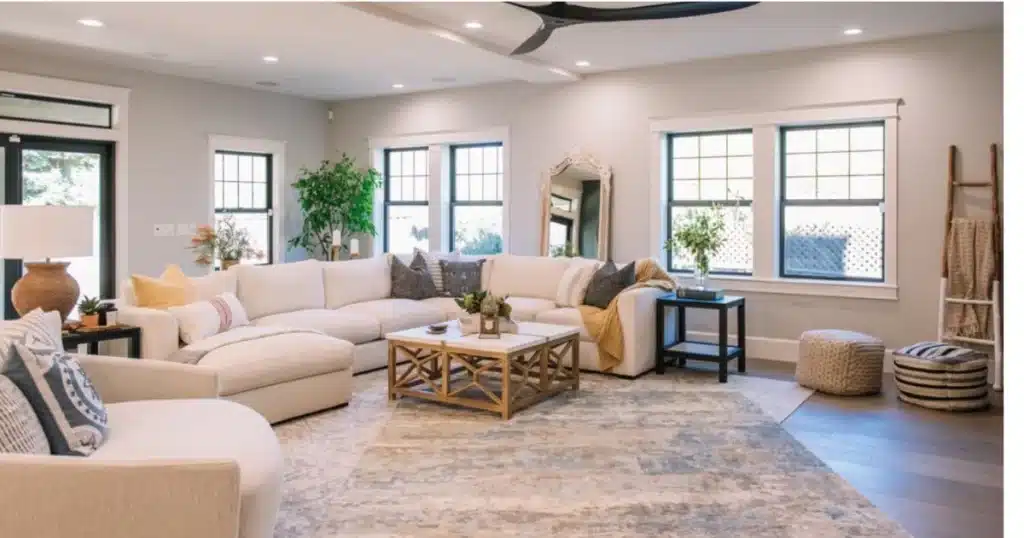
Before starting a house remodelling project, establish what you want to achieve and understand the condition of the property. Making design decisions without considering the building itself can result in unnecessary costs, delays and changes during construction.
Here are the main considerations to address before work begins.
1. Establish Your Priorities
Decide which improvements will make the biggest difference to your home. You may need a more functional kitchen, an additional bedroom, better storage or a complete update of outdated interiors.
Separate essential repairs from optional improvements so that your budget is directed towards the most important work first.
2. Assess the Property’s Condition
Check for structural defects, damp, roof problems, outdated electrical installations, plumbing issues and heating concerns. If you are unsure about the condition of the property, consider an appropriate survey or specialist inspection.
It is important to identify underlying problems before spending money on new flooring, plastering, decoration and other finishes.
3. Set a Realistic Remodelling Budget
Your budget should account for more than materials and labour. Depending on the project, you may also need to allow for:
- Design and professional fees.
- Structural engineering and technical drawings.
- Building work and specialist trades.
- Kitchen and bathroom fittings.
- Electrical and plumbing alterations.
- Waste removal and site preparation.
- Planning or Building Regulations-related costs where applicable.
- A contingency for unforeseen work.
The amount you need will depend on the condition of the property and the agreed scope. Obtain detailed quotations rather than relying on a general estimate.
4. Check Planning Permission and Building Regulations
Not every house remodelling project requires planning permission, but certain changes may need approval.
In England, some house extensions and alterations can fall under permitted development rights, subject to specific limitations and conditions. However, permitted development does not remove the need to comply with Building Regulations or other applicable legal requirements.
Building Regulations may apply to structural alterations, extensions, electrical work, insulation and other building work. Listed buildings can also require listed building consent for certain alterations.
Before starting, check your proposal with the relevant local planning authority and building control service.
5. Choose the Right Professionals
Depending on the scope of your project, you may need an architect, architectural designer, structural engineer, specialist tradespeople or an experienced refurbishment contractor.
Look for relevant experience, suitable qualifications, insurance, clear quotations and examples of comparable completed work.
Make sure everyone understands the agreed scope, responsibilities, materials and expected programme before construction begins.
6. Plan the Order of Work
A remodelling project should follow a sensible construction sequence. Structural changes, plumbing and electrical installations generally need to be addressed before plastering, flooring and final decoration.
For example, installing a new kitchen before completing necessary electrical and plumbing alterations could result in avoidable rework.
A clear programme helps coordinate different trades and reduces the likelihood of conflicting work.
House Remodelling vs House Renovation: What Is the Difference?
The terms house remodelling and house renovation are often used interchangeably, but they can describe different types of improvement.
House renovation generally focuses on repairing, restoring or updating existing parts of a property. This could include replacing old flooring, modernising a bathroom, repairing damaged plaster or upgrading outdated fittings.
House remodelling usually involves changing how existing spaces are arranged or used. Examples include removing internal walls, creating an open-plan kitchen, changing room layouts or converting unused areas into additional living space.
In practice, many projects involve both. A homeowner might renovate the kitchen by replacing cabinets and worktops while also remodelling the layout to create a more open connection with the dining area.
The best choice depends on whether your main priority is improving the condition of your home, changing its layout or achieving both.
Final Words on Best Ideas for Remodelling Your House
Remodelling your house is about more than updating its appearance. The most successful improvements address how you use your home, make better use of available space and resolve problems that affect everyday comfort and functionality.
Whether you are opening up your living area, modernising your kitchen, transforming your bathroom or improving energy efficiency, start with a clear plan and understand the condition of your property before committing to construction.